
Fixture timing adds useful context to a sports betting decision. Rest days, travel, time zones, and recent team form can shape performance.
The timing of a wager matters too. Odds may shift before a game begins.
For Canadians who bet with bitcoins, schedules are one factor to consider. They do not predict results or guarantee profit.
Compare information carefully. Understand the risks of bitcoin betting. Wager only what you can afford to lose.
Bet with bitcoins: why schedules matter in sports betting
A team’s place in the fixture schedule shapes its preparation. Short breaks and many games can affect recovery and energy. Schedule details help bettors ask better questions before betting with bitcoin.
How fixture timing can affect team performance
A team playing after only one day of rest may feel less fresh than one with several days to recover. Coaches might change plans or limit key players' time on the field. These factors matter but do not decide the match result.
Using schedule context when assessing bitcoin sports betting odds
When betting with bitcoin, consider schedule context along with team quality, recent form, and market prices. Check if a short break or busy stretch could affect the teams. Bitcoin betting odds reflect uncertainty; schedule info alone can't predict a winner or show value.
How rest days, travel and time zones shape performance
Schedules can affect preparation as well as play. The demands differ by team, competition and athlete.
Check the full calendar before betting with crypto.
Back-to-back games and limited recovery time
Consecutive games leave athletes with less time to recover, practise and prepare. Congested schedules add physical and logistical challenges.
Team rest days offer useful context, but they do not predict results alone.
Long-distance travel and changing time zones
Consider distance, departure and arrival times, time-zone changes and the sport’s calendar. In Canada, cross-country trips cover vast distances and several time zones.
Teams have different routines. Each trip affects players in its own way.
Check the schedule and weigh travel with other factors. Using travel alone as a betting signal weakens assessment.
Reading team form across a busy season
A few wins or losses can change a team’s record. However, they may not show a lasting change in how well the team plays.
Look for a wider pattern before you use team form to assess a game or decide about cryptocurrency gambling.
Distinguishing lasting trends from short-term results
Check who the team played against. Also, note if the games were at home or away. Compare useful measures like goals, points or shots. Pay attention to how many games the data covers.
A short run against weaker teams may not tell you much. It might not show how the team will do in its next match.
Considering injuries, squad rotation and player workload
Injuries and returning players can affect a team’s strength. Coaches may change the squad to handle player workload during busy schedules.
Reports can be incomplete or change close to game time. Always check current updates from trusted sources. Avoid firm judgments based on one headline or a small set of results.
Choosing when to place a bitcoin wager
Timing shapes the information you have when you bet. Early bitcoin prices may look good. But team news might still be unknown.
Waiting can give more details. Yet, the odds may change as the game time nears.
Comparing early odds with prices closer to game time
Early odds are set before all details are clear. Prices near game time reflect new info and market changes.
Neither early nor late odds promise a better price or a winning bet.
To time your bitcoin wager well, compare odds with what you know. Also, check that event and bet type terms have not changed.
Checking confirmed line-ups and late updates
Before betting, check line-ups, injury reports, and updates from reliable sources. A player's status can affect a team's chance of winning.
Leave enough time to review odds and terms without rushing. If key details are unclear, wait before placing your bitcoin wager.
Online betting with bitcoin: managing timing and transactions
For online betting with bitcoin, plan your deposits before the game starts.
Transfers might not show in your account immediately, so avoid waiting until the last moment.
Allowing for cryptocurrency payment processing times
Transaction times vary based on network activity, transfer fee, and the number of confirmations needed.
Also consider the platform’s internal process. Check deposit and withdrawal instructions before you start.
Make sure you know which networks the site supports for payments.
Checking fees, exchange rates and platform terms
Exchange rates and fees can change the value of your deposit or withdrawal in Canadian dollars.
Look at conversion fees, minimum amounts, transaction limits, and identity checks before sending funds.
Platform terms explain payment processing times and what happens if transfers are delayed.
Comparing bitcoin gambling sites and betting markets
Compare each platform by the sports and leagues it covers. Look at the markets, odds, and bet limits too. Check settlement rules and read terms before placing a wager.
Assessing market coverage, odds and available bet types
Strong betting market coverage includes many leagues and options like match winners, totals, and player props. Always compare odds for the same event because prices differ between platforms.
The phrase best bitcoin betting is subjective. Choose a site that fits your needs, not only based on its promotions.
Reviewing licensing, security and responsible gambling tools
In Canada, check if the operator is authorized in your nettikasinot bitcoin province or territory. Rules and options vary depending on where you live.
Review account security, privacy terms, and how complaints are handled.
Look for tools that support safer play, such as deposit limits, time-outs, and self-exclusion. Check how these tools work before opening an account.
Build a careful bitcoin betting plan for Canadian bettors
A sound Canadian betting plan starts with clear limits. Set a budget in Canadian dollars. Decide how much time you will spend before you place a wager.
Check the game schedule, team news, injuries and likely line-ups. Then compare odds and read the platform’s terms. Choose your market wisely.
Bitcoin prices can change during payment processing. Allow time for https://cryptobetca.com/ deposits and withdrawals. Check any fees and exchange rates.
Keep a record of each deposit and wager in Canadian dollars. This helps you see the true cost and results. Crypto values can shift quickly.
Sports betting and bitcoin casino bets are different forms of gambling. They have different markets and risks. Treat them separately.
Do not assume success in one form carries over to the other. Responsible bitcoin betting means checking your province's rules. Use available deposit, time, and loss limits.
If betting stops feeling manageable, step away. Seek support if needed.
Komposition
In Kleingruppen (2 – 4 Personen) werden die persönlichen Arbeiten der Studierenden besprochen. Je nach Semesterstufe werden gezielte oder offene Aufgaben gestellt, die immer genügend Spielraum für vielfältige künstlerische und ästhetische Ausarbeitung offen lassen.
Der individuelle Zugang jedes/jeder Studierenden wird berücksichtigt, gleichzeitig wird versucht, technische oder ästhetische Schemata zu hinterfragen und neue formale und klangliche Zugänge zu finden. Auch die Betreuung der schriftlichen Abschlussarbeit ist Teil dieses Fachs.
Studiotechnik
In dieser Vorlesung werden klassische und experimentelle Methoden der elektroakustischen Transformation, in Realtime und/oder Offline behandelt. Mit den Methoden sind natürlich auch die praktischen Geräte und Maschinen, oder eben die Programme, die Software und deren Bedienung und Handhabung ein Thema. Gegliedert ist die Vorlesung im ersten Semester mit klassisch analogen Instrumenten, wie Tonband, Mischpult, Mikrofone, Analogsynthesizer. Im zweiten Semester werden die Programmiersprachen Max und Pure Data ausgebreitet, mit denen in weiterer Folge dann die einzelnen Transformationstechniken erklärt werden. Weitere Schwerpunkte der Vorlesung sind:
- geschichtliche Darstellung der technischen Entwicklung in der elektroakustischen Musik
- Produktionstechniken im Studio von Mono bis Mehrkanal
- Postproduktion allgemein und speziell in der elektroakustischen Musik
- Zeitparadoxa, Giant FFT etc.
Im Einzelunterricht Praktikum geht es um ein Heranführen an technisch-künstlerischen Umsetzungen. Der/Die Studierende erfährt eine “künstlerische Zusammenarbeit” bei der Entstehung oder Realisierung eigener Projekte.
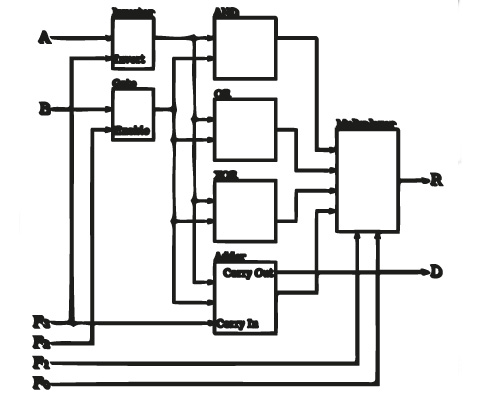
Music Processing
Musikproduktion und Tonverarbeitung durch den Einsatz von Mikroprozessoren und Computern.
Klangsynthese, digitale Filter, digitale Audioeffekte, räumliches Audio.
Sampling, Klangwahrnehmung, Quantisierung, Codierung.
Programmierung: Audio-spezifische Software-Umgebungen, Struktur von Programmen.
Musikinformations-Theorie, computergestützte Komposition, Musik-Informations-Retrieval und Audio-Content-Analyse.
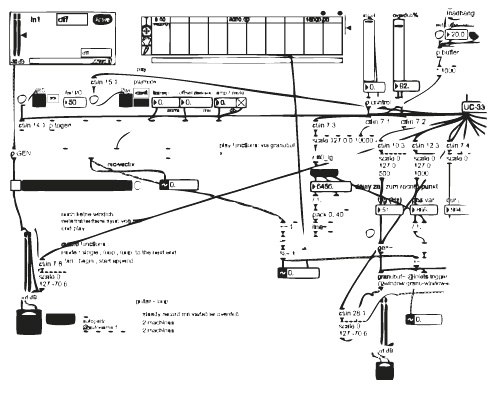
Live-Elektronik
Dieses Seminar setzt sich aus einem theoretischen und einem praktischen Teil zusammen. Einerseits werden Live Elektronische Realisierungen in der zeitgenössischen Musik, als auch in anderen musikalischen Genres wie Performance, Improvisation besprochen, als auch praktische Erfahrung in Konzerten, Klassenabenden gemacht. Methoden von Live Processing werden anhand der Programmiersprache Max besprochen und programmiert.
Akustik
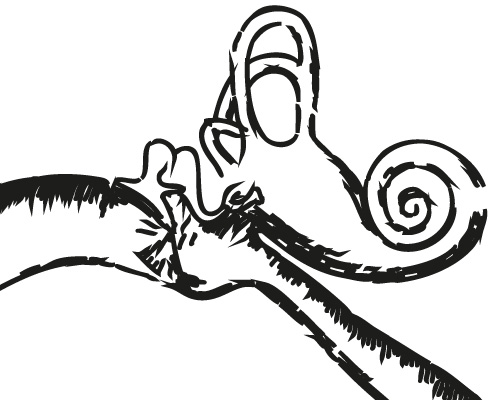
Darstellung des Phänomens “Klang” aus physikalischer Sicht unter der besonderen Berücksichtigung des Zusammenklangs mehrerer Instrumente, Einführung in die Schwingungslehre, Apperzeption akustischer Signale, Elementare Wellenformen der Elektroakustik, physikalische Darstellung der Frequenzverteilung (Sonogramme), Signaldarstellung im Zeitbereich und Frequenzbereich, FFT, akustischer Signatur der Instrumente, Topologie der Instrumentation im klanglichen Kontext, Zusammenklang mehrerer Schallquellen (mögliche gegenseitige Beeinflussungen der Spektren), Klanganalyse ausgewählter Beispiele der Musikliteratur.
Peter Ablinger/ Maryanne Amacher/ Oren Ambarchi/ Laurie Anderson/ Aphex Twin/ Robert Ashley/ Sam Auinger/ Milton Babbitt/ Natasha Barrett/ Louis and Bebe Barron/ William Basinski/ François Bayle/ the Beatles/ William Bennett/ Félix Blume/ Konrad Boehmer/ Pierre Boulez/ Gavin Bryars/ Earle Brown/ Herbert Brün/ William S. Burroughs/ John Cage/ Janet Cardiff/ Wendy Carlos/ Carl Michael von Hausswolff/ Angélica Castelló/ Michel Chion/ Henri Chopin/ John Chowning/ Nicolas Collins/ Tony Conrad/ Peter Cusack/ Pan Daijing/ Paul DeMarinis/ DJ Spooky/ Francis Dhomont/ John Duncan/ Brian Eno/ Franco Evangelisti/ Farmers Manual/ Morton Feldman/ Mark Fell/ Christian Fennesz/ Luc Ferrari/ Beatriz Ferreyra/ Klaus Filip/ Bill Fontana/ Stefan Fraunberger/ Glenn Gould/ Thomas Grill/ Florian Hecker/ Robert Henke/ Pierre Henry/ Christoph Herndler/ Dick Higgings/ Concepción Huerta/ Ryoji Ikeda/ France Jobin/ G.X. Jupitter-Larsen/ Zbigniew Karkowski/ Katharina Klement/ Volkmar Klien/ Milan Knížák/ Dieter Kovacic/ Thomas Köner/ Gottfried Michael Koenig/ Kraftwerk/ Johannes Kreidler/ Ernst Krenek/ Christina Kubisch/ Tilman Küntzel/ Peter Kutin/ La Monte Young/ Bernhard Lang/ Bernhard Leitner/ György Ligeti/ Francisco Lopéz/ Alvin Lucier/ Christian Marclay/ Maximilian Marcoll/ Max Mathews/ Merzbow/ Wolfgang Mitterer/ Conlon Nancarrow/ Max Neuhaus/ Olga Neuwirth/ Phill Niblock/ Carsten Nicolai/ Jérôme Noetinger/ Thomas Noll/ Pauline Oliveros/ Daphne Oram/ Bob Ostertag/ Oval/ Bernard Parmegiani/ Pink Floyd/ Franz Pomassl/ Dick Raaymakers/ Günther Rabl/ Eliane Radigue/ Peter Rehberg/ Guy Reibel/ Steve Reich/ Jean-Claude Risset/ Manuel Rocha Iturbide/ Steve Roden/ Jim O’Rourke/ Maja Osojnik/ Billy Roisz/ Luigi Russolo/ Tristan Perich/ Lee “Scratch” Perry/ Radian/ Maja S. K. Ratkje/ Terry Riley/ Ryuichi Sakamoto/ Jorge Sanchez Chiong/ Erik Satie/ Scanner/ Pierre Schaeffer/ Elisabeth Schimana/ Marcus Schmickler/ Michael J. Schumacher/ Kurt Schwitters/ Phillip Sollmann/ Laurie Spiegel/ Morton Subotnick/ Burkhard Stangl/ Steven Stapleton/ Karlheinz Stockhausen/ James Tenney/ Terre Thaemlitz/ Yasunao Tone/ David Tudor/ Mika Vainio/ Ilpo Väisänen/ Annette Vande Gorne/ Edgard Varèse/ Mario de Vega/ Jennifer Walshe/ Jana Winderen/ Trevor Wishart/ Christian Wolff/ Yannis Xenakis/ Yan Jun/ Samson Young/ Frank Zappa/ Marta Zapparoli
STUDIENINFORMATION
Dokumente und Links
Informationsblatt Lehrgang
Studienplan
Semesterplan auf mdwOnline
Lehrgang
Lehrgangsdauer: 6 Semester
Kontakt:
elak@mdw.ac.at